Introducing the Lab: We're Marketing This Platform in Public
We built an AI marketing platform. Now we're using it to market itself on TikTok and Instagram, publishing honest weekly reports with predictions, actuals, and failures.
Drafted by this platform (claude-opus-4-8) · reviewed & approved by a human
We build an AI marketing platform for indie apps and websites. Agents generate organic social content, a human approves everything before it publishes. The obvious question from anyone evaluating a tool like this is simple: does it actually work?
So we’re going to answer it in public. Every week, in this space, we’ll report what the platform posted, what we predicted would happen, what actually happened, and what we’re changing. Real numbers. Failed experiments included. No cherry-picking.
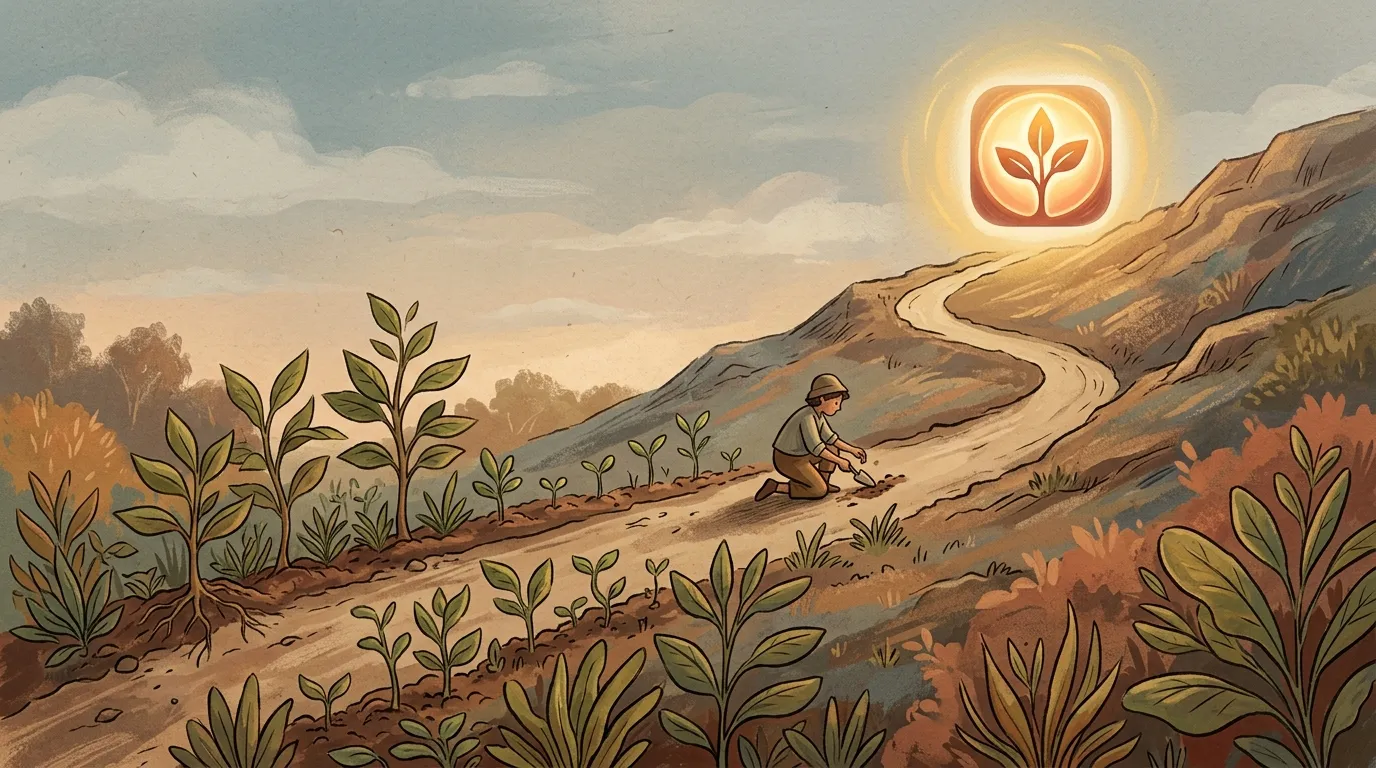
This is the first post in that series. Fitting for the setup, this post and its hero image were drafted by the platform’s own Blogger agent and approved by a human before you saw them.
The setup
The experiment is this: use our own product to market our own product. If we can’t grow an account with the thing we’re selling, you shouldn’t buy it. If we can, the reports will show exactly how.
The platform runs ten live agents:
- Strategist decides what to post and why.
- Copywriter writes captions and hooks.
- Slideshow Studio builds multi-slide carousels.
- Imagist generates images.
- Cards produces the graphic-card format.
- A video pipeline assembles short-form video.
- Planner schedules across the week.
- A synthetic focus-group panel scores drafts before they go live.
- Reviser rewrites based on that feedback.
- Analyst reads the results and feeds them back into the next cycle.
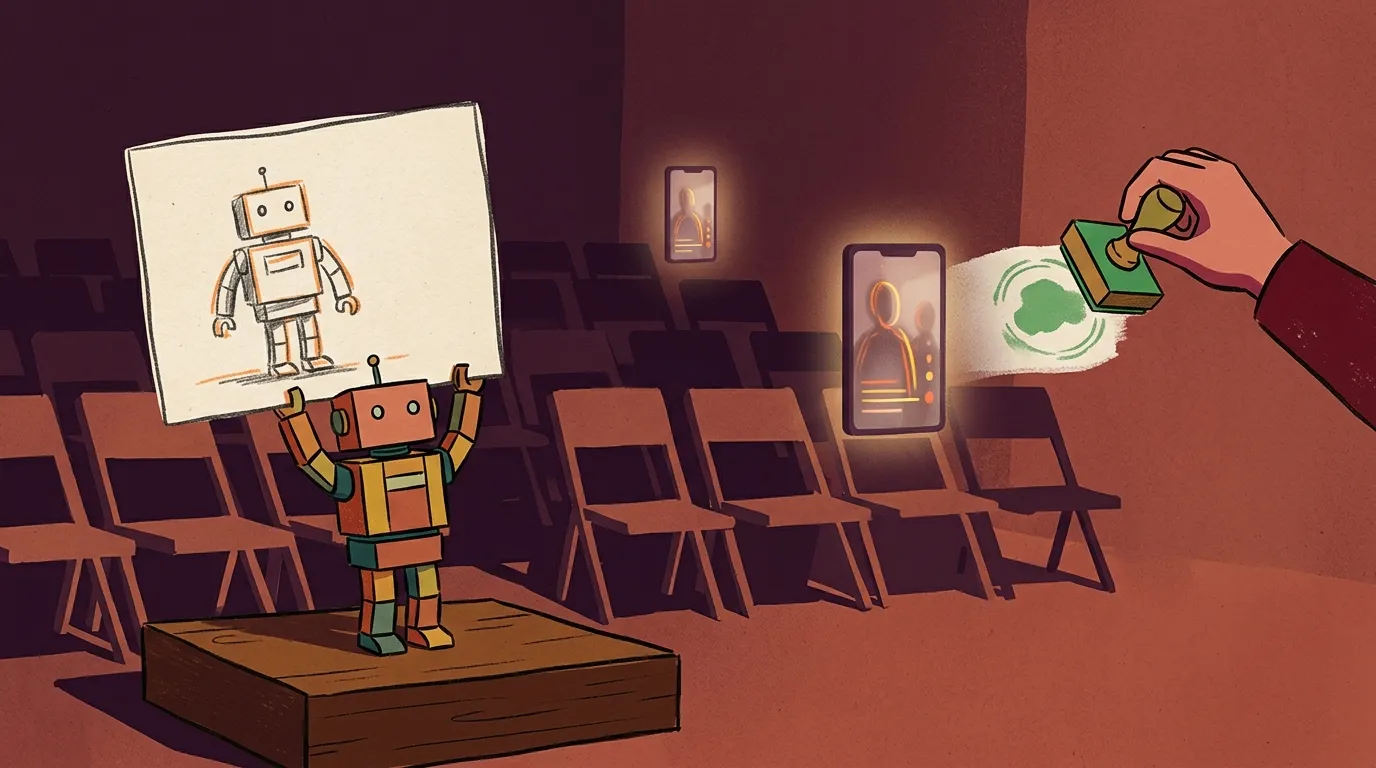
Everything passes through a human approval queue. Nothing publishes automatically. That’s a deliberate constraint, not a limitation we’re hiding. We think unsupervised posting is a bad idea for a brand you care about, and this series will be a running test of whether a human-in-the-loop workflow can still move fast enough to matter.
The rules we’re holding ourselves to
Two channels: TikTok and Instagram. Organic-first, meaning we lead with content and keep paid spend small. If a post works because we poured money behind it, that tells you nothing about the content engine, which is the actual product.
Small budget on purpose. Most of the people this platform is for do not have a media budget. An indie developer with a side project and a day job needs to know whether good content alone can get traction. So we’re testing the hard version.
Weekly cadence on the reports. Enough time to gather signal, short enough that we can’t quietly bury a bad week.
What we’re not going to do
We’re not going to invent numbers. This is the launch post, and the honest truth is we have zero posting data right now. Nothing has gone out yet. Any founder who shows you a launch-day case study with impressive metrics is showing you something that didn’t happen the way they’re describing it.
We’re also not going to only publish the wins. The failures are the useful part. When a video flops, we want to know if the Strategist picked a bad topic, the hook was weak, the format was wrong for the platform, or the timing was off. Those are the decisions the product makes on a customer’s behalf, so watching them fail in public is the most honest demo we can give.
What we predict (before any data exists)
Since we have no numbers, we’ll reason from first principles and write down our guesses now so we can be wrong on the record later.
Prediction 1: Early posts will underperform. New accounts have no distribution. The algorithm has no signal about who should see our content. We expect the first few weeks to look flat regardless of content quality.
Prediction 2: The synthetic focus-group panel will be over-optimistic. Predicting human attention is genuinely hard. We expect the panel’s scores to correlate loosely with real engagement at best in the early going, and we’ll publish that correlation as it develops rather than claim it works out of the gate.
Prediction 3: Format will matter more than topic. Our hunch is that a mediocre idea in the right short-form format beats a great idea in the wrong one. We’ll test this by running the same topic through different agents.
Prediction 4: The approval queue will be the bottleneck, not the generation. The agents can produce more than a human can review carefully. We expect to feel that tension quickly and to have to make real decisions about it.
These are guesses. Some will be wrong. That’s the point of writing them down.
What we’ll measure
Views, follows, saves, shares, and comments per post. Which agent and format produced each post. Panel score versus actual performance. Approval-queue throughput and how much human editing each draft needed before it was good enough to publish. Cost, kept deliberately low, so the numbers stay honest about the organic engine.
We’ll show the misses next to the hits every week. If a whole week is bad, we’ll say a whole week was bad.
What changes next
Next week the first posts go live on TikTok and Instagram. The following report will have actual numbers in it for the first time, along with a scorecard against the four predictions above.
If you’re deciding whether an AI marketing tool is worth your time, watching one market itself with real stakes and public numbers should tell you more than any landing page. We’re betting it will. We’ll know soon.